


What Local Fitness Experts Say Actually Works for Workplace Wellness
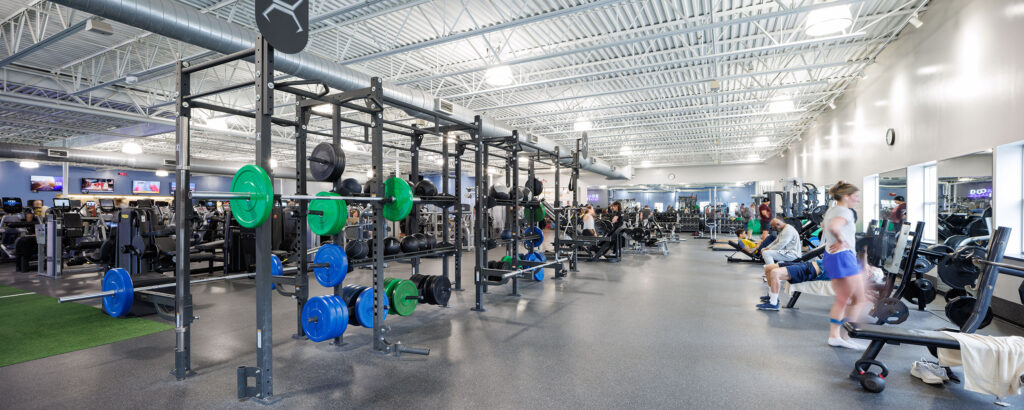
Workplace wellness programs are everywhere. They can be short-term like a weight loss competition, a fitness class, or reading material. They can also be longer term like an on-site fitness center, health insurance incentives and reimbursements for gym memberships, or consistent programming. The common trend, unfortunately, is a lack of participation and long-term impact. Many employees are not even aware of their health or fitness initiatives despite them being in place, or don’t always fit the needs and wants of employees.
Instead of guessing what works, in honor of Employee Health & Fitness Month, we asked local fitness leaders in the North Shore Chamber of Commerce, to learn what they see every day working with real people. Here’s what they had to say (and what your business can learn from it).
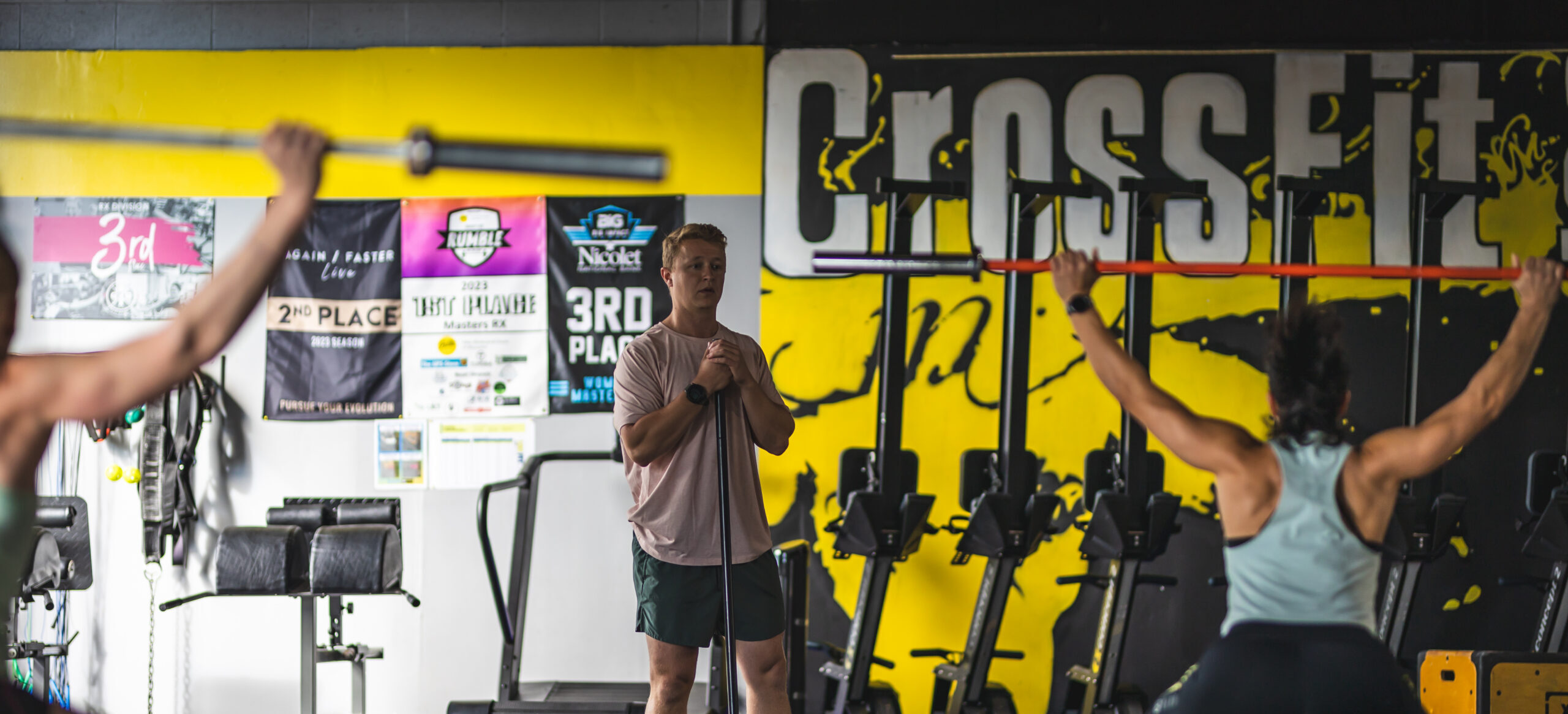
Featuring insights from CrossFit 100, SOLFUL Fitness, and Wisconsin Athletic Club.
Wellness Only Works If It’s Sustainable
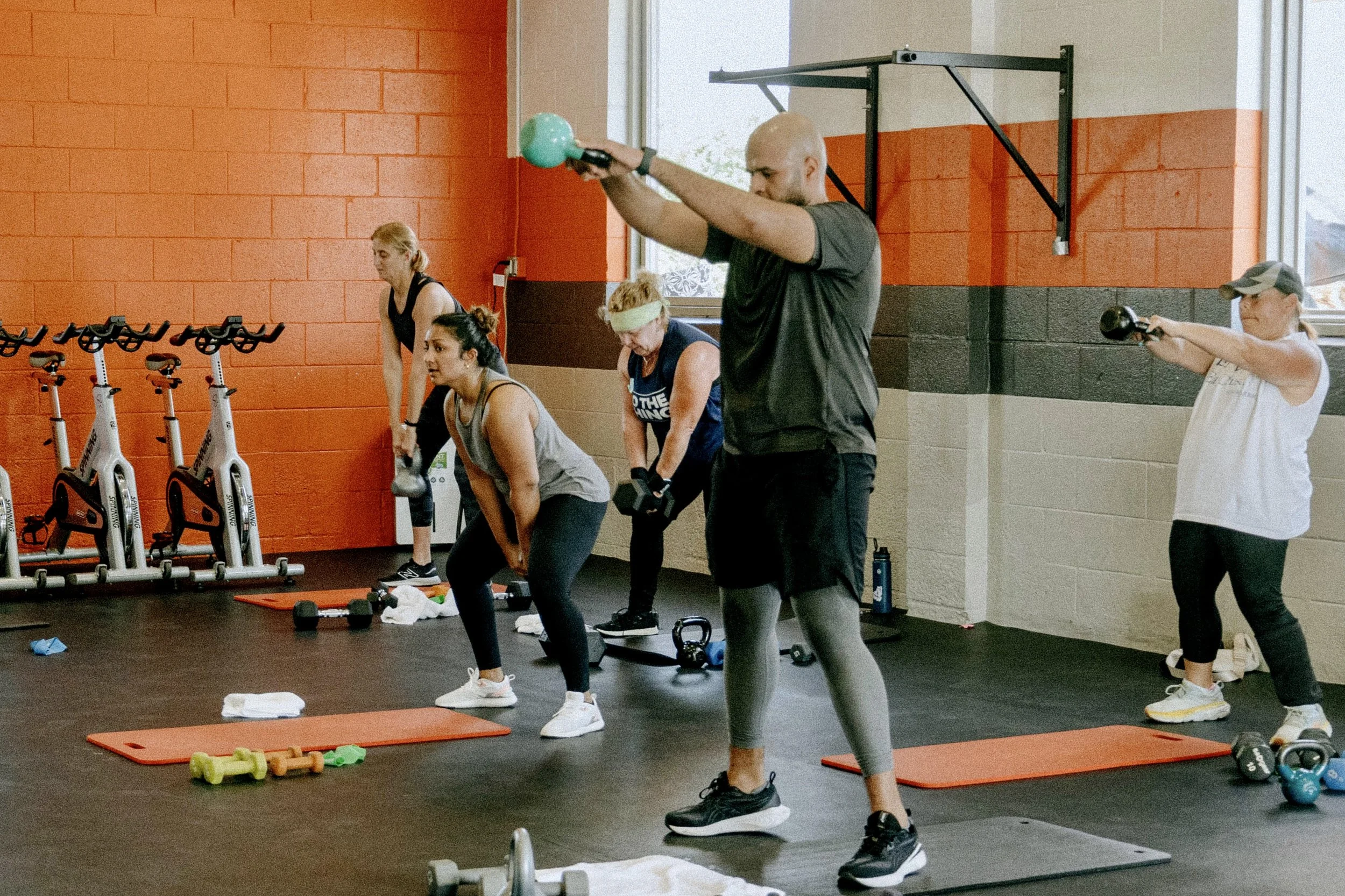
One of the biggest themes we heard was that wellness programs fail when they try to do too much too fast, or when they aren’t built around what employees actually want. Big challenges, strict rules, or one-time initiatives can feel overwhelming. As Marcela Perea of CrossFit 100 shared, “Wellness works best when it’s simple, consistent, and meets people where they are.” That idea was echoed by Lisa Martin of SOLFUL Fitness who noted, “One of the biggest mistakes is treating wellness like a checkbox instead of a culture.”
From the perspective of Wisconsin Athletic Club’s Dan Barmantje, another common gap is understanding employee needs in the first place. As he shared, “companies don’t always have an understanding of what their team truly wants,” which leads to programs that look good, but don’t get used. Imagine this: if employees don’t want an early morning fitness class, why would it be successful if there’s a beautiful workplace campus that can be utilized for walking, biking, and taking breaks during the day?
People Show Up for Community, Not Just Exercise
Access to fitness isn’t the problem. Connection, support, and flexibility are.
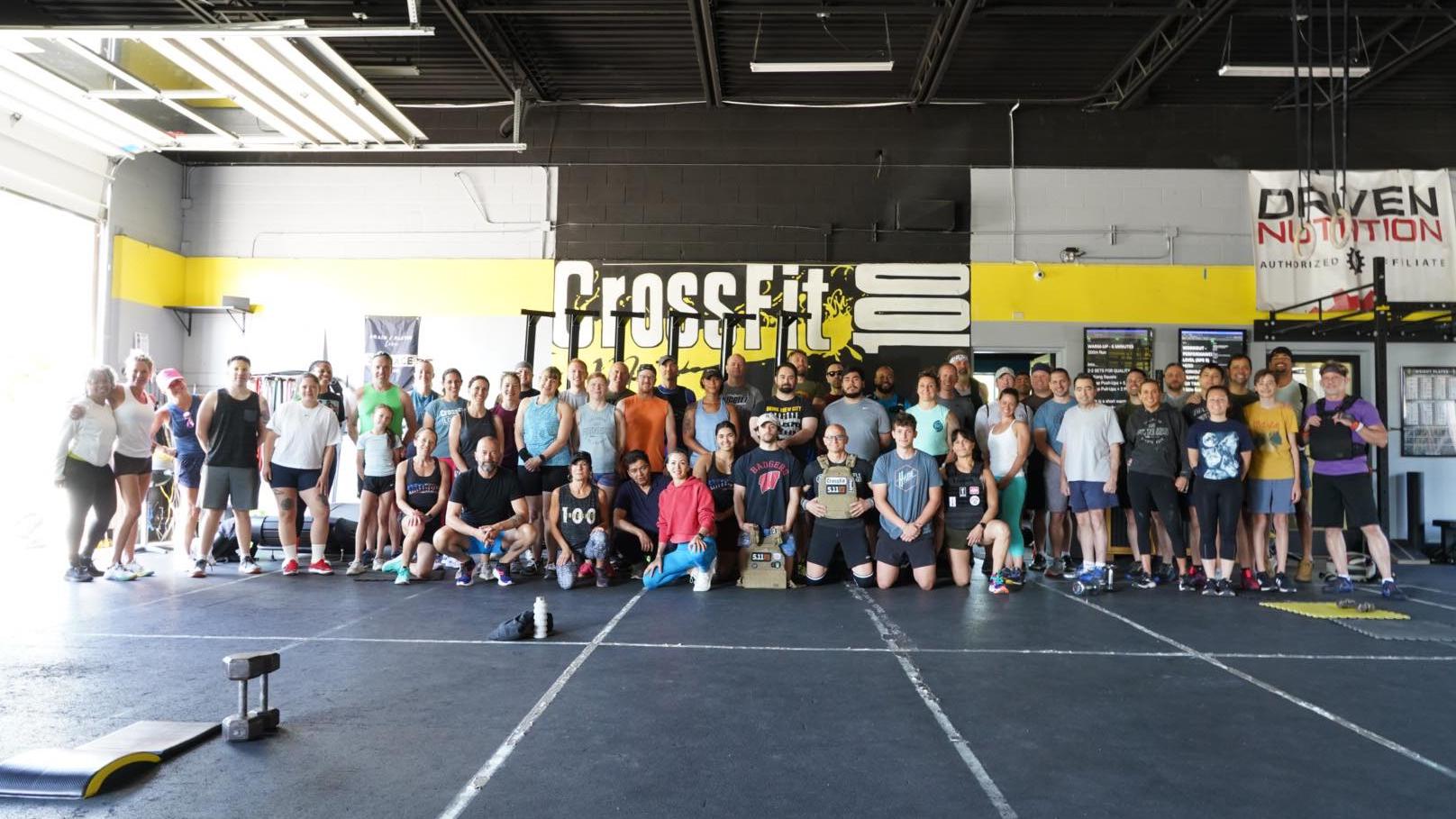
Employees are far more likely to participate when they feel supported, not judged. CrossFit 100 emphasized that when people understand they don’t have to be ‘in shape’ to start, they’re more willing to try.
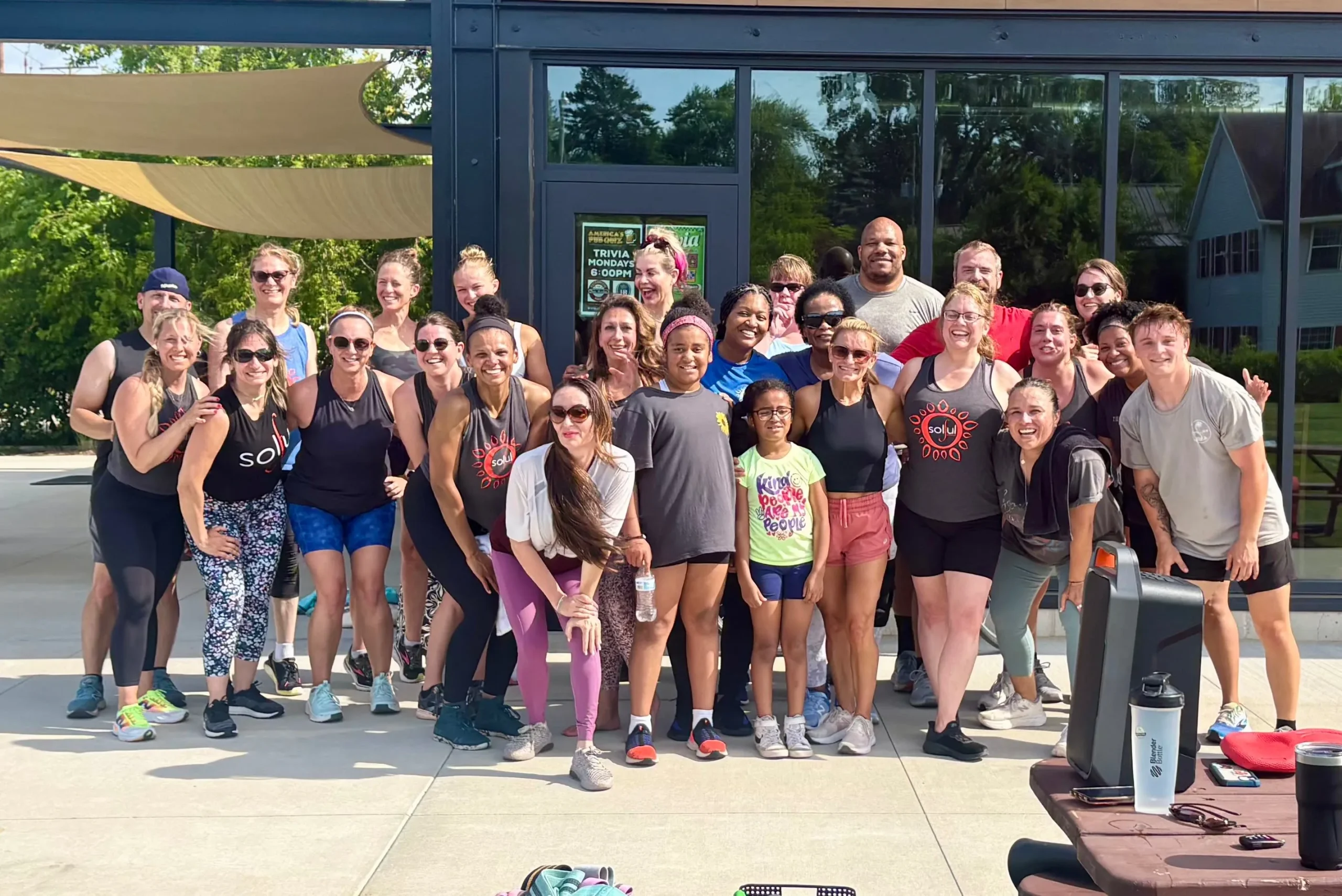
That sense of belonging is critical. As SOLFUL Fitness concurred, “Connection and community are everything… when people feel good showing up, they keep coming back.”
At the same time, Wisconsin Athletic Club highlighted that participation often starts at the leadership level. Employees need the flexibility and support to prioritize their health. Whether that’s working out in the morning, mid-day, or evening. When that trust exists, engagement follows.
Studies show that employees who participate in workplace wellness programs, often have increased productivity, improved behavior and morale, improves engagement, reduces overall stress, and can also decrease overall healthcare costs for organizations.
Start Small
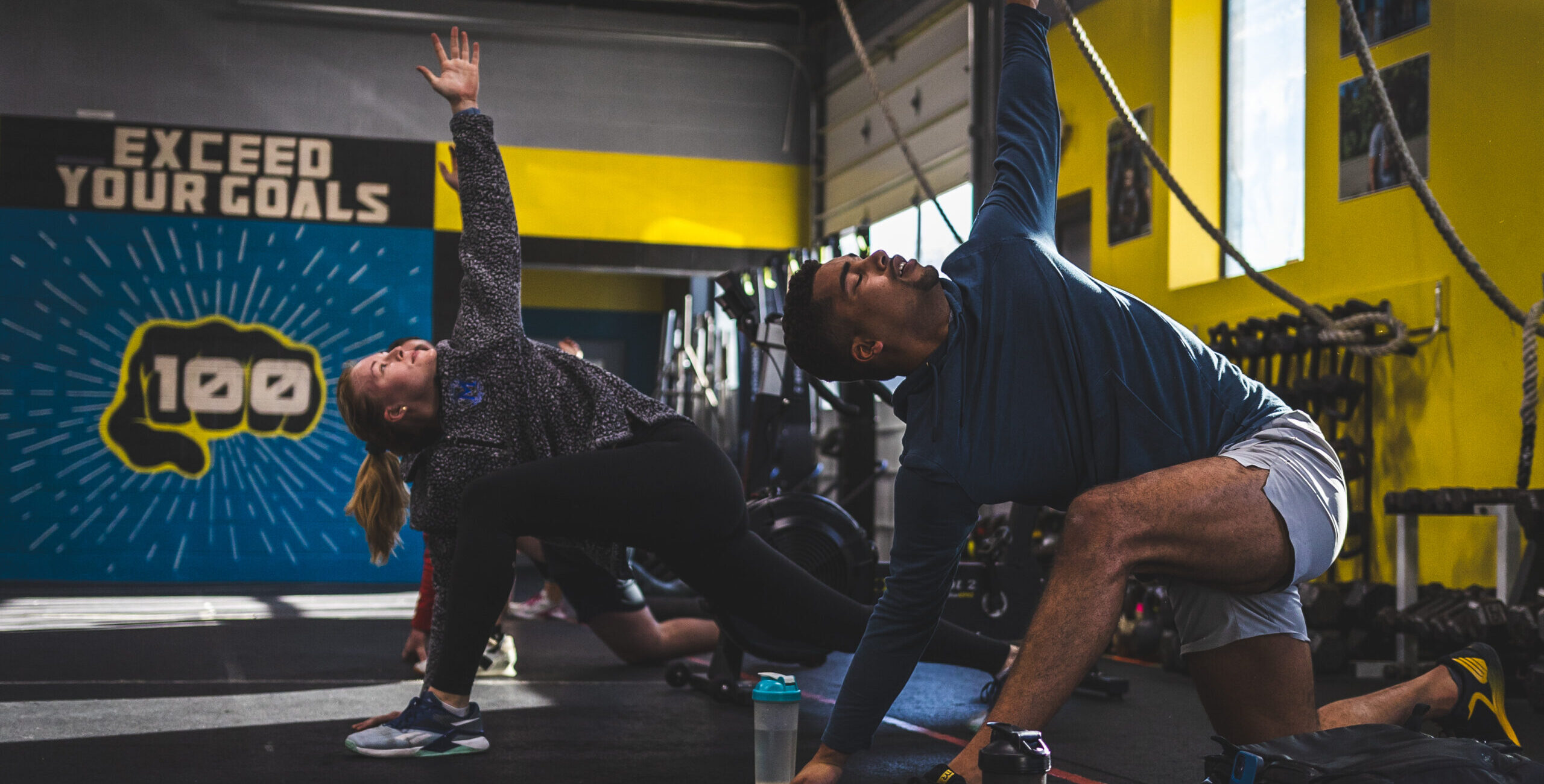
The good news is, employers don’t need massive programs to make an impact, but the intention needs to be there. Community leaders agree that simple steps such as surveys about what employees want, what would motivate them, and how they can be supported can be all it takes to start something bigger. SOLFUL Fitness says plainly that “simple, consistent habits often have the biggest impact.” The common theme that works is small steps, implemented in small ways, for big results.
Wellness Starts From Within
Workplace wellness doesn’t start with programs, it starts with people.
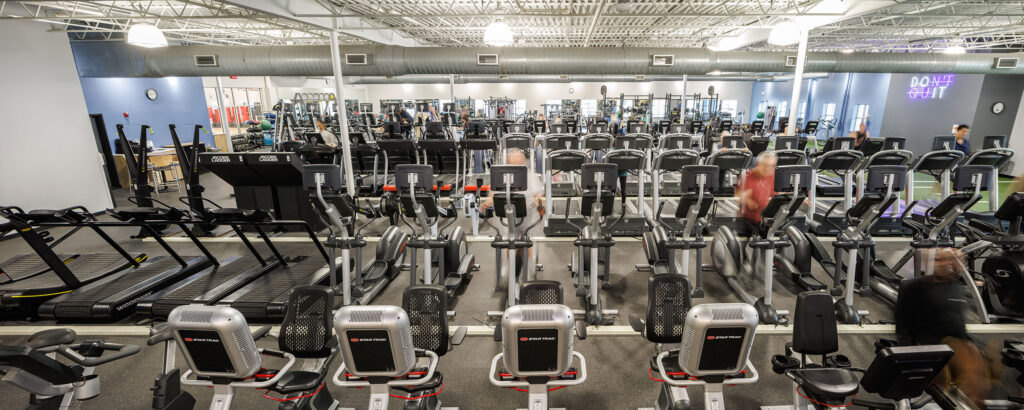
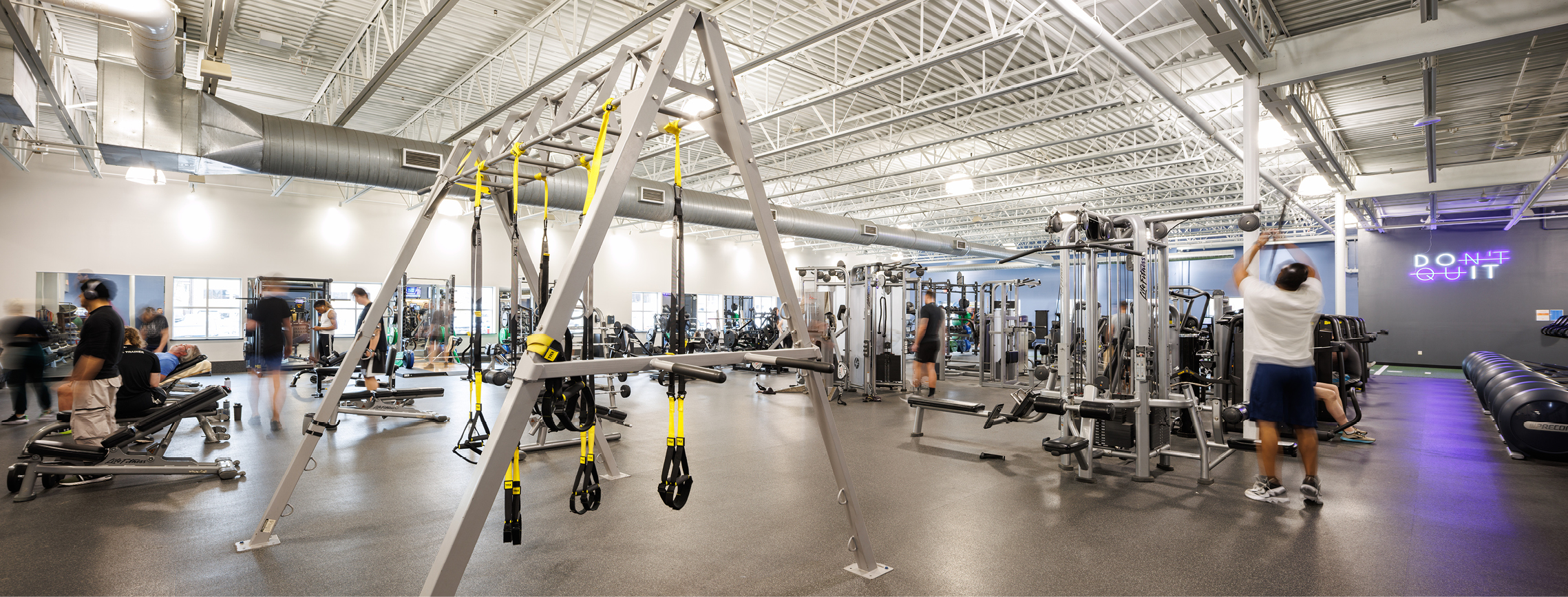
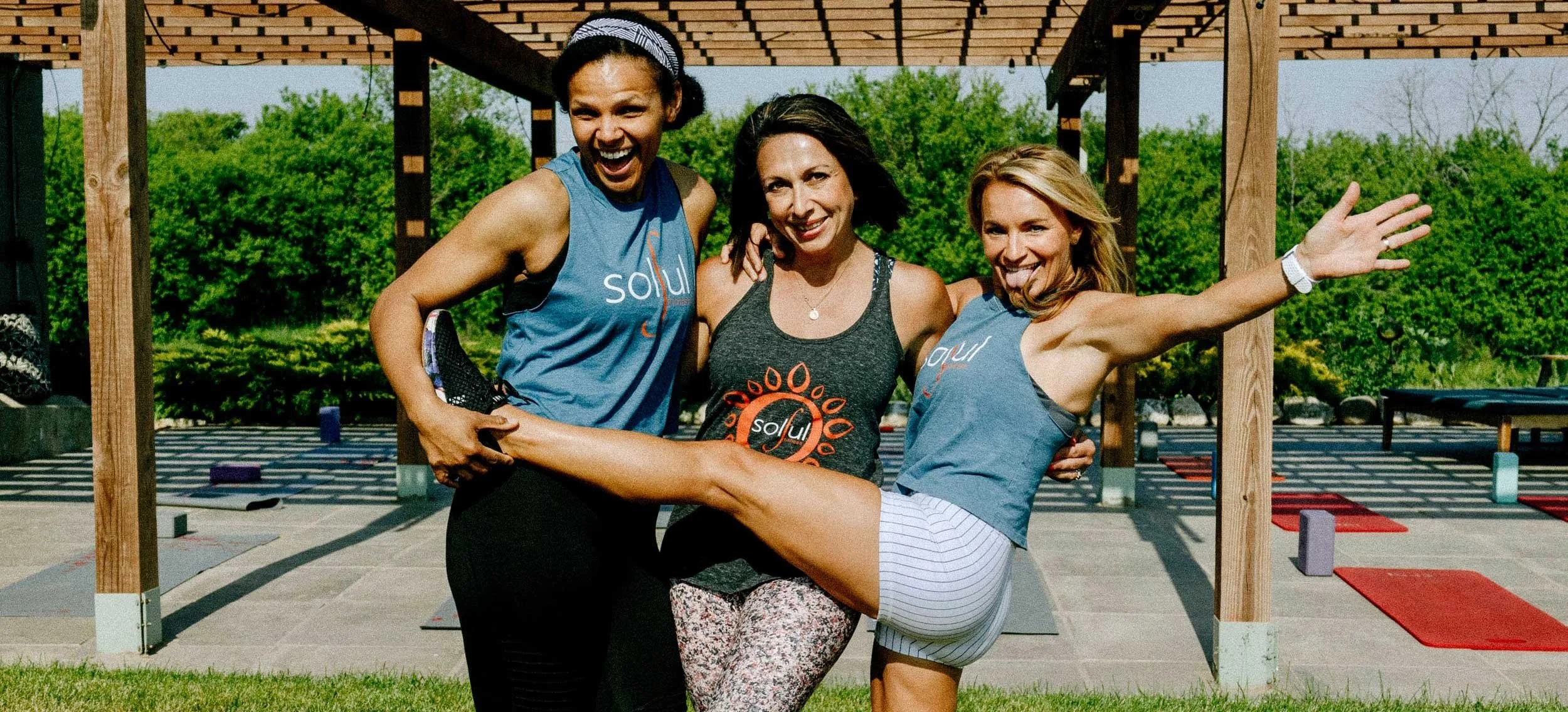
Creating a culture of wellness means modeling it internally. At SOLFUL Fitness, that mindset is core to their approach: “We truly believe you can’t pour into others if you’re running on empty—and that starts from within our team.” Similarly, CrossFit100 focuses on consistency and mindset, emphasizing progress over perfection and showing up day after day. Wisconsin Athletic Club takes a “practice what you preach” approach, providing team members with access to memberships, training, and wellness services so they can actively live the lifestyle they promote.
What Employers Can Do Right Now
If you’re looking to strengthen wellness in your workplace, start here:
- Keep it simple and consistent
- Focus on building a culture, not just a one-time program
- Ask employees what they actually want
- Create flexibility and support from leadership
- Make wellness inclusive and approachable
- Build in accountability and community
These are great starts, but how could this actually look in a variety of workplaces?
- Incorporate more movement into work days – walking meetings, enforcing lunch & stretch breaks, investing in a walking pad or standing desks for the office
- Allowing flexible schedules that accommodate a more exercise-balanced lifestyle
- Gamifying things to get a rolling start, such as fitness challenges or team outings around fitness, to show leadership support
- Accept feedback, ideas, and other input from teams to maintain consistency
Final Takeaway
Workplace wellness doesn’t need to be complicated. It just needs to be intentional, supported, and built around real people. And with the right local partners, getting started might be easier than you think. Wisconsin Athletic Club has multiple levels of workplace wellness programs to incorporate into businesses. CrossFit 100 is always looking for business partners to strengthen and educate. SOLFUL Fitness offers wellness programming, customizing each experience to the unique needs of each organization.
When we think about incorporating wellness into the lives of our employees, always remember that the smallest changes create the biggest impact, listen to what your employees really want, and be a supportive leader who sets by example for a happier, healthier workplace.
Other North Shore Chamber Members in Fitness:
- Rite-Hite Family YMCA of Metropolitan Milwaukee
- The Little Gym
- Infinite Gymnastics
- Burn Boot Camp- Whitefish Bay
- Elite Sports Clubs
- Anointed Hands Massage and Pilates Studio
Author: Gwen Eckhardt Operations & Engagement Manager The North Shore Chamber of Commerce (Milwaukee)